
རྒྱལ་བརྒྱུད་རིང་ལུགས།
འགྲེམས་སྟོན་༤ པ།
འཇིགས་མེད་རྣམ་རྒྱལ་གྱི་སྲས་ གོང་ས་ཨོ་རྒྱན་དབང་ཕྱུག་དེ་ སྤྱི་ལོ་༡༩༠༧ ལུ་ འབྲུག་བརྒྱུད་འཛིན་གྱི་རྒྱལ་པོ་དང་པ་སྦེ་ གསེར་ཁྲིར་མངའ་གསོལ་ཞུ་ནུག། དེ་གི་སྐབས་ལུ་ཡང་ སྲིད་དོན་གྱི་དགྲ་བྱང་ཕྱད་ ལེ་ཤ་ཅིག་དབང་ལུ་བསྡུ་དགོཔ་ཡོདཔ་བཞིན་དུ་ ཨོ་རྒྱན་དབང་ཕྱུག་གིས་ གྲོས་འགྲིགས་དང་ མོས་མཐུན་གྱི་སྲིད་བྱུས་ཐོག་ལས་ རྒྱལ་ཁབ་ནང་ཞི་བདེ་བཟོ་གནངམ་ལས་ འབྲུག་ གི་རྒྱལ་རབས་ནང་འགྱུར་བ་སྦོམ་ཅིག་གི་ཐོག་ལས་ དུས་རབས་༡༧ པ་ལས་ཚུར་ ཐེངས་དང་པར་ འབྲུག་རྒྱལ་ཡོངས་ལུ་ བདེ་ སྐྱིད་ཀྱི་ཉིམ་ རྒྱུན་ཆད་མེད་པར་ཤར་ནིའི་གོ་སྐབས་ བཟོ་གནང་ནུག།
འབྲུག་རྒྱལ་གཉིས་པ་འཇིགས་མེད་དབང་ཕྱུག་མཆོག་གིས་ རྒྱལ་ཁབ་ཀྱི་སྲིད་ཀྱི་གནས་སྟངས་ཚུ་ འཕྲོ་མཐུད་དེ་རང་ ཚིག་ བསྒྲིལ་མཛད་གནང་ཡོདཔ་དང་ དུས་རབས་ཧེན་མམ་ནང་ ལུང་ཕྱོགས་སོ་སོའི་དཔོན་ཁག་ཚུ་གི་དབང་ཚད་སྐོར་ ནང་འཁྲུག་ སྦོམ་ལངས་མི་ལུ་བརྟེན་ འཇིགས་མེད་རྣམ་རྒྱལ་གྱི་ཕྱག་འགན་རྩ་ཆེ་ཤོས་གཅིག་ བདག་སྐྱོང་གི་ལམ་ལུགས་གཞི་ བསྒྱུར་མཛད་གནང་ནུག། འཇིགས་མེད་རྣམ་རྒྱལ་གྱིས་ གོ་གནས་ཀྱི་རིམ་པའི་ལམ་ལུགས་ གཞི་བཙུགས་གནང་སྟེ་ མཐར་ཐུག་ ལུ་ ཆོས་དང་སྲིད་ཀྱི་དབང་ཚད་གཉིས་ཆ་རང་ ཁོ་རའི་ཕྱག་ལུ་བཞེས་ནུག།
དེང་སང་འབྲུག་གི་ཕ་མཆོག་དམ་པ་སྦེ་ཆ་བཞག་མི་ རྒྱལ་རབས་གསུམ་པ་འཇིགས་མེད་རྡོ་རྗེ་དབང་ཕྱུག་མཆོག་གིས་ རྒྱལ་ཁབ་ འདི་ རང་རྐྱང་ཟུར་གནས་ཀྱི་གནས་ཚད་ལས་བཏོན་ཏེ་ རྒྱལ་སྤྱིའི་ནང་ སྲིད་ཀྱི་འབྲེལ་བ་འགོ་བཙུགསཔ་དང་གཅིག་ཁར་ ཡུ་རོ་པིན་ རྒྱལ་ཁབ་ཆུང་ཀུ་ཚུ་ལུ་ འབྲུག་གཞུང་དང་མཉམ་འབྲེལ་ཐོག་ རྒྱལ་ཁབ་ནང་གོང་འཕེལ་གྱི་ལས་འགུལ་ཚུ་ བཙུགས་དགོ་པའི་ རྒྱུད་བསྐུལ་གནང་ནུག།
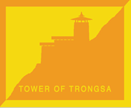
འབྲུག་རྒྱལ་བཞི་པ་འཇིགས་མེད་སེང་གེ་དབང་ཕྱུག་མཆོག་གིས་ སྤྱི་ལོ་༡༩༧༢ལས་༢༠༠༦ ཚུན་ རྒྱལ་ཁབ་ཆོས་བཞིན་དུ་ བསྐྱངས་གནང་ཡི། མི་དབང་མཆོག་གི་དགོངས་འཆར་གཙོ་བོ་ རྒྱལ་ཁབ་ནང་མི་སྡེའི་དཔལ་འབྱོར་གོང་འཕེལ་གཏངམ་དང་འབྲེལ་ ཏེ་ སྔར་སྲོལ་ལམ་ལུགས་བཟང་པོ་ཚུ་ མི་ཉམས་གོང་འཕེལ་དང ཉམས་པ་སོར་ཆུད་གནང་ཡི། གོང་འཕེལ་གྱི་སྲིད་བྱུས་དེ་ཡང་ རྒྱལ་ཡོངས་ཐོན་བསྐྱེད་ལས་ རྒྱལ་ཡོངས་དགའ་སྐྱིད་དཔལ་འཛོམས་དེ་ གཙོ་ཆེཝ་སྦེ་བརྩི་འཇོག་གནངམ་མ་ཚད་ རྒྱལ་ཁབ་ནང་ སྲིད་དོན་ཚོགས་པ་གཉིས་ལྡན་གྱི་ དམངས་གཙོའི་རིང་ལུགས་ཡང་ གཞི་བཙུགས་གནང་ཡི། སྤྱི་ལོ་༢༠༠༦ ཟླ་༡༢ པའི་ཚེས་༩ ལས་ མི་དབང་འཇིགས་མེད་གེ་སར་རྣམ་རྒྱལ་དབང་ཕྱུག་མཆོག་གིས་ འབྲུག་གི་རྒྱལ་རབས་ ལྔ་པའི་ཕྱག་འགན་ཧྲིལ་བུ་བཞེས་གནང་ཡི། སྔར་གྱི་རྒྱལ་པོ་རིམ་བྱོན་ཚུ་བཟུམ་སྦེ་ མི་དབང་འཇིགས་མེད་གེ་སར་རྣམ་རྒྱལ་དབང་ ཕྱུག་མཆོག་ཡང་ གསེར་ཁྲི་ལུ་མ་ཕེབས་པའི་ཧེན་མར་ ཀྲོང་གསར་དཔོན་སློབ་ཀྱི་གོ་གནས་བཞེས་གནང་ཡི།
THE MONARCHY
GALLERY 4
Ugyen Wangchuck, the son of Jigme Namgyel, was installed as the first king of a hereditary monarchy in 1907. He needed to overcome various political opponents to ensure the consolidation of his power. Ugyen Wangchuck worked to bring peace to the country by pursuing a policy of negotiation and compromise. He brought about a turning-point in Bhutan’s history: for the first time since the 17TH century peace prevailed throughout the land. Jigme Wangchuck, the second king, continued the political consolidation of the state. As the power of the provincial rulers had been a serious cause of strife in the previous century, one of King Jigme Wangchuck’s most important tasks was to reform the administrative system. He therefore established a hierarchical system over which he had absolute control: all power, both religious and secular, was in his hands. Jigme Dorje Wangchuck, the third king, is seen as the father of modern Bhutan. He no longer kept his country isolated from the world, but rather sought international political contacts. He asked small European states to join the Bhutanese government in setting up development projects in the country. Jigme Singye Wangchuck, the fourth king, ruled from 1972 until 2006. His goal was the socioeconomic development of the country with the simultaneous preservation of cultural heritage. The king pointedly expressed the precept that governed his development policies: to him Gross National Happiness was of greater importance than Gross National Product. Jigme Singye Wangchuck led the country into a new era of democracy based on a two-party system. In December 2006 Jigme Khesar Namgyel Wangchuck assumed the full responsibilities of head of state as the fifth Druk Gyalpo. Like all the Bhutanese kings before him, Jigme Khesar Namgyel Wangchuck was first appointed Penlöp of Trongsa before his accession to the throne. He was crowned king on November 6, 2008.